Ijen Crater: Discover the Magical Blue Fire Volcano of East Java
Indonesia is home to some of the world’s most spectacular volcanic landscapes, but few destinations can match the extraordinary beauty and mystery of Ijen Crater. Located in the eastern part of Java Island, Ijen Crater has become one of Indonesia’s most famous natural attractions thanks to its rare blue fire phenomenon, turquoise acidic lake, and dramatic volcanic scenery.
For adventure travelers, photographers, and nature enthusiasts, visiting Ijen Crater is more than just a hike—it is an unforgettable journey into one of Earth’s most unique geological wonders. Every year, thousands of visitors travel to East Java to witness the famous blue flames that illuminate the darkness before dawn and to experience the breathtaking sunrise over the crater rim.
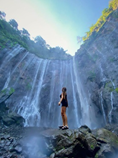
Whether you are planning a standalone Ijen tour or combining it with Mount Bromo and Tumpak Sewu Waterfall, this remarkable destination deserves a place on every travel bucket list.
What Is Ijen Crater?
Ijen Crater, locally known as Kawah Ijen, is part of the Ijen volcanic complex located between Banyuwangi and Bondowoso Regencies in East Java, Indonesia. The volcano sits approximately 2,386 meters above sea level and contains one of the world’s largest highly acidic crater lakes. The lake’s vibrant turquoise color creates a striking contrast against the surrounding volcanic landscape.
The Ijen volcanic complex is part of a massive caldera system formed thousands of years ago. Today, it remains an active volcano with constant sulfuric gas emissions and geothermal activity that continue to shape its extraordinary environment.
The Famous Blue Fire Phenomenon
The main attraction that draws travelers from around the globe is Ijen’s world-famous Blue Fire.
Contrary to popular belief, the blue flames are not blue lava. The phenomenon occurs when sulfur-rich gases emerge from cracks in the volcano at extremely high temperatures. When these gases come into contact with oxygen, they ignite and produce electric-blue flames that can reach several meters high.
The blue fire is visible only during darkness, which is why most visitors begin their trek shortly after midnight. As hikers descend toward the crater before sunrise, they witness an otherworldly scene of glowing blue flames dancing among sulfur deposits.
Many geologists consider Ijen’s blue fire one of the rarest natural phenomena on Earth. Similar occurrences exist elsewhere, but nowhere are they as large or as famous as at Ijen Crater.
The Stunning Turquoise Acid Lake
After sunrise, attention shifts from the blue flames to another extraordinary feature: the crater lake.
Ijen’s lake is renowned for its vivid turquoise color, which results from high concentrations of sulfuric acid and dissolved minerals. The lake occupies the center of the crater and creates one of the most photogenic volcanic landscapes in Southeast Asia.
Despite its beauty, the lake is extremely acidic and dangerous. Scientists often describe it as one of the most acidic crater lakes in the world, with acidity levels comparable to battery acid. Visitors are strictly advised not to approach the water.
From the crater rim, travelers can enjoy panoramic views of the lake while watching the first rays of sunlight illuminate the volcanic landscape.
Meeting the Sulfur Miners
One of the most powerful experiences at Ijen Crater is observing the daily work of the sulfur miners.
Long before tourists arrive, local miners descend into the crater carrying simple tools. They extract solid sulfur deposits formed by cooling volcanic gases and transport heavy loads back up the mountain. Many miners carry baskets weighing between 70 and 90 kilograms over steep volcanic terrain.
Their work is physically demanding and often performed under challenging conditions due to sulfur fumes and difficult terrain. Witnessing their determination provides visitors with a deeper appreciation of the human stories connected to the volcano.
For many travelers, meeting the miners becomes one of the most memorable parts of the journey.
The Ijen Crater Hiking Experience
The hike to Ijen Crater is considered moderate and accessible for most travelers with average fitness levels.
The journey typically begins at Paltuding Base Camp around midnight or 1:00 AM. From there, hikers follow a well-established trail leading toward the crater rim.
Hiking Distance
- Approximately 3 kilometers uphill
- Around 1.5 to 2 hours of trekking
- Moderate difficulty level
The trail consists of gradual and occasionally steep inclines, but most visitors can complete the hike comfortably with proper pacing.
Upon reaching the rim, travelers may continue descending into the crater area to see the blue fire, depending on current safety regulations and volcanic conditions.
Why Sunrise at Ijen Is Unforgettable
Although the blue fire attracts most visitors, the sunrise experience at Ijen is equally spectacular.
As darkness fades, the surrounding mountains become visible, revealing a dramatic volcanic landscape stretching across East Java. The turquoise crater lake begins reflecting sunlight while clouds drift across the valleys below.
On clear mornings, visitors can enjoy panoramic views of neighboring volcanoes and the surrounding forests.
Photographers often consider sunrise at Ijen one of the most rewarding moments of any East Java itinerary.
Best Time to Visit Ijen Crater
Ijen Crater can be visited throughout the year, but certain months provide more favorable conditions.
Dry Season (April – October)
The dry season offers:
- Better visibility
- Safer hiking conditions
- Less slippery trails
- More reliable sunrise views
Rainy Season (November – March)
The rainy season provides:
- Lush green landscapes
- Fewer tourists
- Stronger atmospheric effects
However, rain can make trails slippery and occasionally affect visibility.
Most tour operators recommend visiting between May and September for the best overall experience.
Essential Items to Bring
Preparation is key to enjoying your Ijen adventure.
Recommended items include:
Warm Clothing
Temperatures can drop to single digits Celsius before sunrise.
Hiking Shoes
Proper footwear is essential for navigating volcanic terrain.
Headlamp
Most of the trek takes place in complete darkness.
Gas Mask
A gas mask is highly recommended due to sulfur fumes near the crater. Many tours provide masks as part of the package.
Camera Equipment
The blue fire and sunrise provide incredible photography opportunities.
Drinking Water
Staying hydrated is important throughout the hike.
Combining Ijen with Mount Bromo
One of the most popular travel itineraries in Indonesia combines Mount Bromo and Ijen Crater.
This combination allows visitors to experience two of East Java’s most iconic volcanoes in a single journey.
Typical highlights include:
- Bromo Sunrise Tour
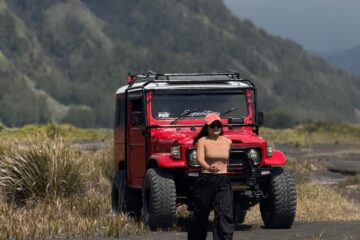
- Jeep Adventure Across the Sea of Sand
- Bromo Crater Hike
- Midnight Trek to Ijen
- Blue Fire Experience
- Sunrise Over Ijen Lake
The contrast between Bromo’s vast volcanic desert and Ijen’s colorful crater lake creates an incredibly diverse adventure.
Many travelers consider the Bromo-Ijen route the ultimate East Java volcano experience.
Photography Opportunities at Ijen Crater
Ijen Crater is a paradise for photographers.
Blue Fire Photography
Capturing the electric-blue flames is often the primary goal for many visitors.
Landscape Photography
The crater lake and surrounding mountains create breathtaking compositions.
Documentary Photography
The sulfur miners provide powerful human-interest subjects.
Sunrise Photography
Golden light reflecting on the turquoise lake creates unforgettable images.
Drone Photography
Where permitted, aerial perspectives reveal the immense scale of the volcanic landscape.
Professional photographers from around the world frequently include Ijen in their Indonesia travel portfolios.
Safety Tips for Visiting Ijen
While Ijen is generally safe to visit, certain precautions should always be followed.
Follow Guide Instructions
Local guides understand current volcanic conditions and safety requirements.
Use a Gas Mask
Sulfur gas concentrations can vary depending on weather and volcanic activity.
Stay on Designated Trails
Volcanic terrain can be unstable in certain areas.
Respect Safety Barriers
Restricted zones exist for visitor protection.
Monitor Physical Condition
Take breaks if needed during the hike.
Responsible travel helps ensure a safe and enjoyable experience for everyone.
Why Ijen Crater Should Be on Your Bucket List
Few places on Earth offer the combination of natural beauty, geological wonder, adventure, and cultural significance found at Ijen Crater.
From witnessing the rare blue fire phenomenon to standing above a glowing turquoise crater lake, every moment feels extraordinary. The challenging hike, the stunning sunrise, and the inspiring resilience of the sulfur miners create an experience that goes far beyond ordinary sightseeing.
Ijen Crater showcases the incredible diversity of Indonesia’s natural landscapes and remains one of Southeast Asia’s most unique travel destinations.
Whether you are an adventure seeker, photographer, volcano enthusiast, or first-time visitor to Indonesia, a journey to Ijen Crater will leave you with unforgettable memories and a deeper appreciation for the power and beauty of nature.
If you are planning an East Java adventure, make sure Ijen Crater is included in your itinerary. It is truly one of Indonesia’s most remarkable natural treasures.